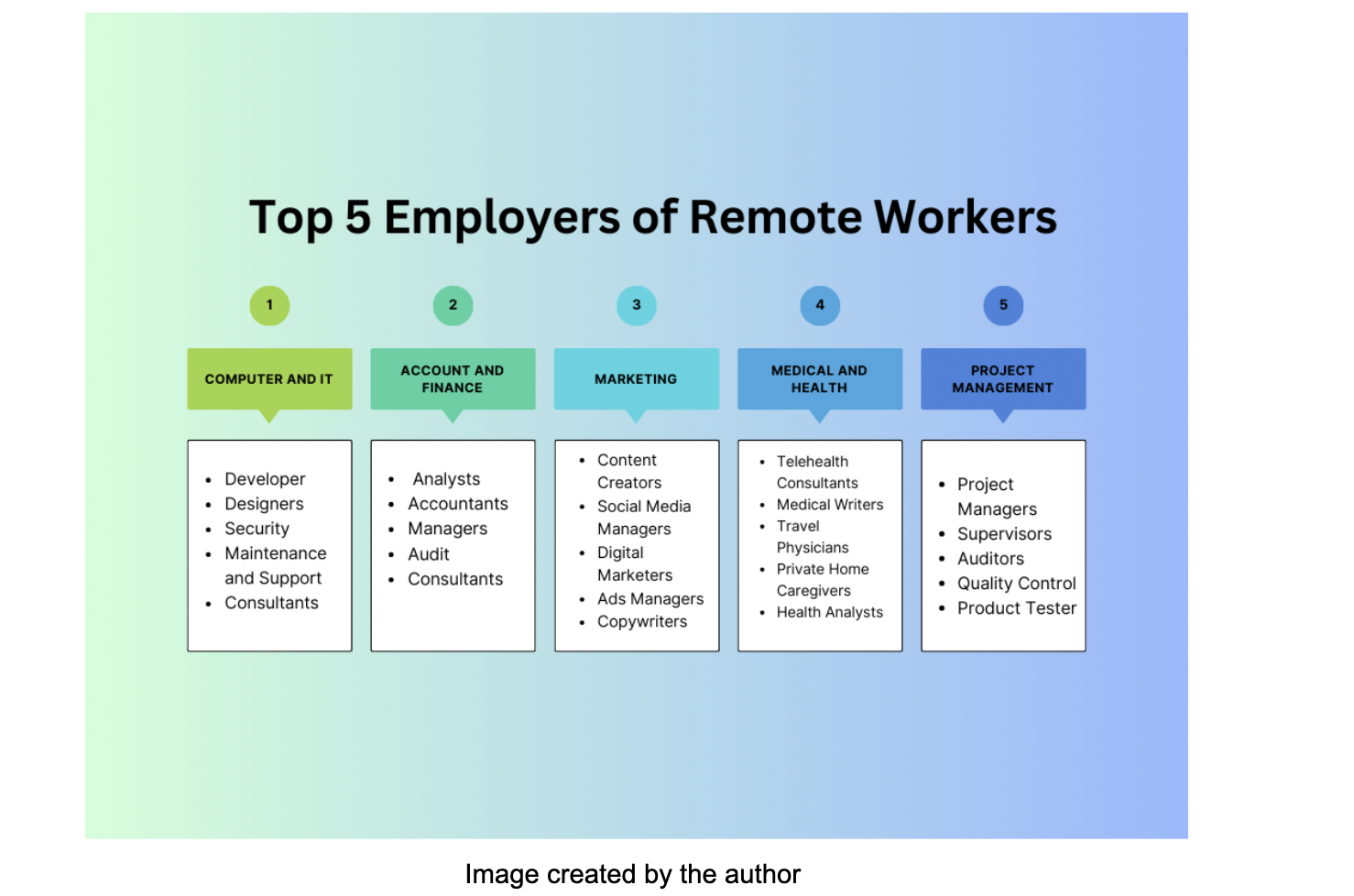
Many people searching for remote work want a clear list of job types and an honest timeline for getting hired. The available evidence is limited and comes from one narrow review of course participants. It does not provide specific categories or examples of remote job types. What it does show is that consistent effort over multiple months is required, quick results are unrealistic, and promises of landing a remote job in just days are scams.
What Are the Main Types of Remote Jobs
The supplied research does not define or list specific types of remote jobs, job titles, industries, or skill requirements. No examples of customer service, software development, project management, or other common remote roles are provided. Without supported details, this article cannot describe categories of remote positions or their requirements.
Readers looking for legitimate remote opportunities should focus instead on evaluating offers carefully. Claims that sound too good or promise fast placement often turn out to be scams. For guidance on separating real opportunities from fraudulent ones, see how to tell if a job offer is a scam.
How Long Does It Take to Land a Remote Job
According to the single source available, people who followed a structured process and applied consistently landed remote jobs in under six months. Roughly 50% of those who succeeded received offers in around four months. These observations come only from a self-selected group of course members and are not general statistics that apply to all job seekers.
The factor that mattered most was how much time someone could dedicate to the search. Those who were unemployed or had fewer obligations tended to move faster. The source emphasizes that no one in the reviewed group got hired by applying to only a handful of positions.
All successful applicants in this cohort still faced many rejections and instances of ghosting. The difference was that they continued applying despite setbacks. The research explicitly states that promises of getting hired in two days or similar short periods are scams.
How Application Volume Affects Hiring Speed
The reviewed data showed a clear pattern between weekly applications and time to hire, though results are limited to the observed group and should not be treated as universal rules.
- Those hired in six months applied to roughly 3-5 remote jobs per week.
- Those hired in 3-4 months applied to about 5-10 per week.
- Those hired in 1-2 months applied to 10-20 per week.
Every person who succeeded had applied to at least 20 jobs total. Treating the search like a part-time job of 5-15 hours per week correlated with faster results in the group studied. Skills and seniority level did not determine speed of hire; both senior and entry-level candidates succeeded across the different time groups.
The source stresses that the search is a numbers game. Consistent effort mattered more than any single factor. No one succeeded with minimal applications.
What Realistic Remote Job Seekers Should Expect
Remote job seekers should expect the process to take months of steady work rather than days or weeks. Rejections and ghosting are normal even for those who eventually succeed. The evidence shows that persistence through repeated "no" responses separates those who land roles from those who do not.
Experience level did not predict hiring speed within the studied group. Both experienced and entry-level applicants succeeded when they maintained volume and consistency. However, the research does not claim this holds true for the broader market or that success is guaranteed.
Anyone considering paid programs that promise fast remote employment should evaluate them carefully. Quick-hire claims are a documented red flag. For a structured way to judge such offers, read how to evaluate an online program.
The research provides no data on salary, benefits, legitimate companies, or required qualifications. It cannot answer what specific remote jobs are easiest to obtain or which industries hire remotely most often. Job seekers must gather that information from primary job boards and company postings themselves.
Success depends on treating the search seriously, dedicating regular time each week, and continuing despite setbacks. There are no shortcuts or guarantees.
FAQ
How many remote jobs should I apply to each week?
The reviewed group showed faster results with higher volume. Those hired in 1-2 months applied to 10-20 positions per week, while those hired in six months applied to 3-5. Every successful applicant had submitted at least 20 applications total. These figures come from one small cohort of course members and are not a guarantee for the general population. The key observation was that treating the search like a part-time job of 5-15 hours per week produced better outcomes than minimal effort.
Is it possible to get a remote job in a few days?
The source states directly that promises of getting hired in two days or similar short periods are scams. No one in the reviewed group succeeded with only a few applications. The evidence shows that even the fastest hires took weeks or months of consistent effort. Quick-hire claims should be treated as warning signs.
Does experience level determine how quickly you get hired remotely?
In the observed group, experience and seniority were not the deciding factor for speed of hire. Both senior and entry-level candidates succeeded across the different time-to-hire categories. The source notes that time dedicated to applications mattered more than prior experience. These observations are limited to the specific cohort studied and should not be taken as a broad rule.
Related reading
How to Work for Yourself as a Beginner Freelancer
Remote Jobs That Provide Equipment No Experience
Are Second Jobs at Night From Home Legit? (Real Options)