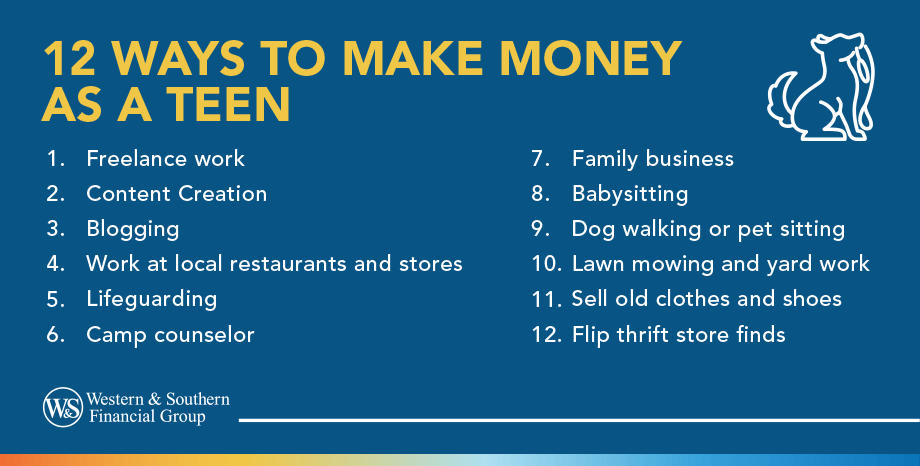
Many online platforms set a minimum age of 18, though some allow teens 13 and older with a parent or guardian's consent to create an account and receive payment. Teens should never pay any fee to get a job. Beginner tasks such as paid surveys, product testing, and simple online tasks offer low pay and require almost no skills, while options like freelance writing, graphic design, tutoring, virtual assistant work, video editing, or selling digital products demand time to build skills and have no guaranteed results.
What Age Requirements Apply to Online Work?
Most platforms that pay users require individuals to be at least 18 years old. A smaller number of sites and apps permit teens aged 13 and older, but only if a parent or guardian provides consent for account creation and payment processing. These rules come directly from each platform's terms and can change, so teens and their parents must check the specific age policy before signing up.
The Rustic Pathways Brand Ambassador program is one named option that accepts U.S. teens and pays in travel credits, money, or products for promoting the organization online. Participants under 18 need a parent's consent. No primary regulator documents were available to confirm current age rules across every named platform such as Fiverr, Upwork, Etsy, or UserTesting. Teens must therefore review each platform's terms of service themselves.
Why Teens Should Never Pay to Get a Job
Teens should never pay a fee to get a job. This is a core safety rule. Requests for upfront payment - whether for training, equipment, background checks, or registration - are a common warning sign of scams. Legitimate employers and platforms do not charge people to work for them.
When something sounds too good to be true or pressures teens to pay quickly, it is safest to walk away. The absence of primary regulator records on teen-targeted scams in the available evidence does not mean such scams do not exist; it means documented cases from the FTC or state attorneys general were not supplied for this article.
Beginner Tasks Versus Skill-Based Work
Beginner-friendly starting points include paid surveys, product testing, and simple online tasks. These require little to no prior experience and serve as an easy entry point, but the pay is low.
Skill-based options generally offer higher potential once developed. Examples include freelance writing, graphic design, tutoring, virtual assistant work, short-form video editing, and selling digital products such as Notion templates or study assets. These approaches require learning and consistent practice over time. There are no sourced figures for how long skill development takes or what results follow, and none can be promised.
Making money online can help teens build skills and add value to a future resume, but it requires real time and effort. No overnight or easy methods exist.
How to Judge Online Opportunities Safely
Before trying any opportunity, evaluate it carefully. The site's guide on how to evaluate an online program offers practical steps for judging offers, including checking terms, refund policies, and documented complaints.
When an offer asks for money upfront, uses overly optimistic language, or refuses to provide clear written details, treat it as a red flag. Teens and parents can also file a complaint with the Better Business Bureau at https://www.bbb.org/file-a-complaint if they encounter problems.
The available research does not include court records or specific FTC actions on teen-focused online work scams, so this article reports only the general warning signs and safety practices supported by the sources.
Essential Safety Steps for Teens
Teens should keep parents informed about any online earning activities. Using a parent-managed PayPal or bank account for receiving payments adds an important layer of oversight.
Stay alert for scams, especially any offer that asks for money before work or seems too good to be true. Watch for pressure tactics and unclear terms. Prepare for the possibility of tax liabilities on earnings, though no specific thresholds or rules are detailed in the supplied sources.
Source 2 (Acorns) emphasizes these practical safety and setup steps as general guidance for teens and their families. Evidence is thin on exact success rates or time investments for any method, so expectations should remain realistic.
FAQ
Can teens under 18 make money online?
Yes, but with important limits. Many platforms require users to be 18, while others allow teens 13 and older only with parent or guardian consent for account creation and payments. Each platform sets its own rules, so the terms must be checked directly. No method is guaranteed, and all require time and effort.
How can teens avoid online money scams?
Teens should never pay any fee to get a job. Avoid offers that sound too good to be true, pressure for quick payment, or lack clear written terms. Keep parents involved, evaluate opportunities using the steps in how to evaluate an online program, and report suspicious activity to the Better Business Bureau when needed. Source 2 stresses these core protections.
Do online platforms require parental consent?
Some platforms that accept users under 18 do require a parent or guardian's consent to create an account and receive payment. Others simply bar anyone under 18. The Rustic Pathways Brand Ambassador program, for example, needs parental consent for teens. Always read the specific platform's terms rather than assume consent is enough or unnecessary.
Is it realistic for teens to earn from beginner tasks?
Beginner tasks such as paid surveys, product testing, and simple online tasks are accessible with almost no skills, but the pay remains low. They can provide an introduction to online work. Skill-based options like writing, design, or tutoring take longer to develop and still carry no guarantees. The sources describe these as realistic but modest starting points.
What should parents and teens do before starting?
Discuss activities openly, review platform age and payment rules together, set up a parent-managed payment method, and stay alert to scam warning signs. Treat all claims skeptically and remember that building skills takes consistent effort over time. The available evidence supports caution and realism rather than specific earnings expectations.