There is no reliable fastest way to make money online for beginners with no experience or skills. Most people who earn additional income through side work make modest amounts after consistent effort, and many offers promising quick cash are scams that ask for upfront fees.
According to PYMNTS Intelligence research published in February 2026, 4 in 10 U.S. consumers now earn additional income through side jobs, with the average side hustler earning around $530 per month. Beginners typically earn $100-$500 per month. These figures come from Acorns citing the research and are presented as typical ranges, not guarantees.
Is There a Fastest Way to Make Money Online?
No single method reliably delivers fast money for people starting with zero skills or experience. The research shows that legitimate approaches fall into categories such as freelancing, selling products, creating content, teaching skills, or completing small tasks. All require time to learn the platform, build a profile or audience, and complete qualifying work.
Any opportunity that asks for upfront fees or banking information before you earn anything is a clear red flag, according to Acorns. Promises of instant or effortless income often lead to scams rather than earnings.
What Realistic Options Exist for Beginners?
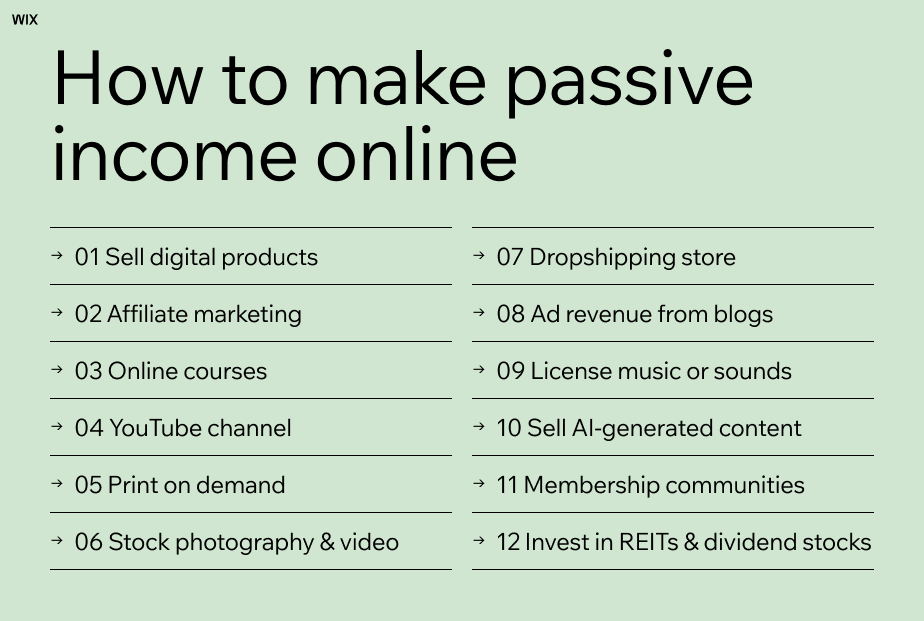
Realistic beginner options include freelancing in areas such as writing, design, virtual assistance, customer service, or translation. Other documented approaches are selling digital products like eBooks, participating in print-on-demand, creating content, teaching existing skills, or completing tasks such as paid surveys and user testing. These are presented as categories of activity, not guaranteed income sources.
Freelancing platforms such as Upwork charge 10-15% fees depending on earnings per client. The platform handles contracts, holds funds in escrow, makes weekly payments, and manages disputes. Once established, freelancers can work remotely from anywhere, and some client relationships become long-term. However, building a quality profile, winning proposals, and gaining reputation takes time. It is not a quick or easy shortcut.
Legitimate paid survey panels are typically run by established research companies. For example, Ipsos iSay is owned by Ipsos, founded in 1975, listed on Euronext Paris since 1999, and employing roughly 20,000 people. Real panels publish clear terms covering membership, rewards, one-account rules, inactivity policies, and country restrictions. Common complaints about screen-outs, low point values, or slow rewards are normal even on legitimate sites.
What Are the Warning Signs of Upfront-Fee Schemes?
The clearest warning sign is any request for payment or banking details before you have earned money. This includes fees for "training," starter kits, software, or registration that must be paid before work begins.
Other red flags include income claims that sound too good to be true, pressure to decide immediately, and requests to send money or share sensitive information early in the process. When an offer focuses more on what you pay than on the actual work, it rarely leads to sustainable earnings.
How Can You Evaluate Survey Sites and Freelance Platforms?
Start by reading the platform's own public terms on membership, payout rules, fees, inactivity policies, and geographic restrictions. Check who owns the company and whether it is an established business with verifiable history.
For survey sites, confirm the operator is a known research firm rather than an unknown intermediary. Look at whether the site clearly explains how rewards are calculated, minimum payout thresholds, and any restrictions on multiple accounts. Normal user complaints about qualification rates or reward values do not automatically mean a site is fake, but consistent failure to pay out does.
For freelance platforms, review the fee structure, payment schedule, dispute resolution process, and requirements for building a profile. Understand that initial earnings may be slow while you learn the proposal system and accumulate reviews. Always verify the platform's legitimacy through its own documentation and regulator records rather than advertising claims.
The most reliable step is to follow a structured evaluation process before committing time or money. See the guide on how to evaluate an online program for practical checks that go beyond surface promises.
Additional context on legitimate approaches appears in resources such as How to Make Money Online: 20+ Ways for Beginners and guidance on legit paid surveys online.
What Should You Consider Before Starting?
Set realistic expectations about time and earnings. Building any consistent online income usually requires weeks or months of regular effort before the first payout. Beginners should treat early months as learning periods rather than reliable revenue streams.
Consider the skills you already have and whether a particular method matches the time you can commit. Factor in platform fees, tax obligations on earnings, and the possibility that some methods will never produce meaningful income for you.
Read every set of terms carefully. Documented complaints, refund policies, and ownership details provide far more useful information than marketing materials. When evidence about a specific offer is limited, it is safer to assume the risk is high rather than proceeding.
The bottom line is that sustainable earnings come from consistent work on established platforms, not from chasing the fastest possible method. Most beginners see modest supplemental income after investing time and avoiding offers that require payment upfront.
FAQ
Is there really a fast way for beginners to make money online?
No. Research shows beginners typically earn $100-$500 per month after consistent effort, and the average side hustler earns around $530 monthly according to February 2026 PYMNTS Intelligence data cited by Acorns. No method reliably delivers fast cash without skills or experience, and many "fast" offers are upfront-fee scams.
Are paid survey sites legitimate?
Some are. Panels run by established research companies, such as those owned by Ipsos (founded 1975, publicly listed since 1999), publish clear terms on rewards, accounts, and restrictions. Complaints about screen-outs and low earnings are common even on legitimate sites. Always read the platform's own terms and verify ownership before participating.
How long does it take to start earning on freelance platforms?
It takes time to build a profile, win proposals, and earn reviews. Upwork charges 10-15% fees, handles contracts and escrow, but is not a quick-earnings solution. The platform mechanics and realistic timeline come from freelancers who have used it for years; beginners should expect an initial period of low or no earnings while establishing reputation.
What are the biggest red flags when looking for online work?
Any request for upfront fees, payment for training, or banking information before you have earned money is a major warning sign. Pressure tactics, unrealistic income claims, and lack of clear public terms are also common indicators of schemes that will cost you time or money rather than pay you.
Should beginners focus on surveys, freelancing, or selling products?
Each option has different requirements. Surveys usually have the lowest barrier but also the lowest and least consistent pay. Freelancing requires building skills and reputation over time. Selling products involves creation or marketing effort. None qualify as fast or guaranteed; choose based on the time you can invest and always evaluate the specific platform first.