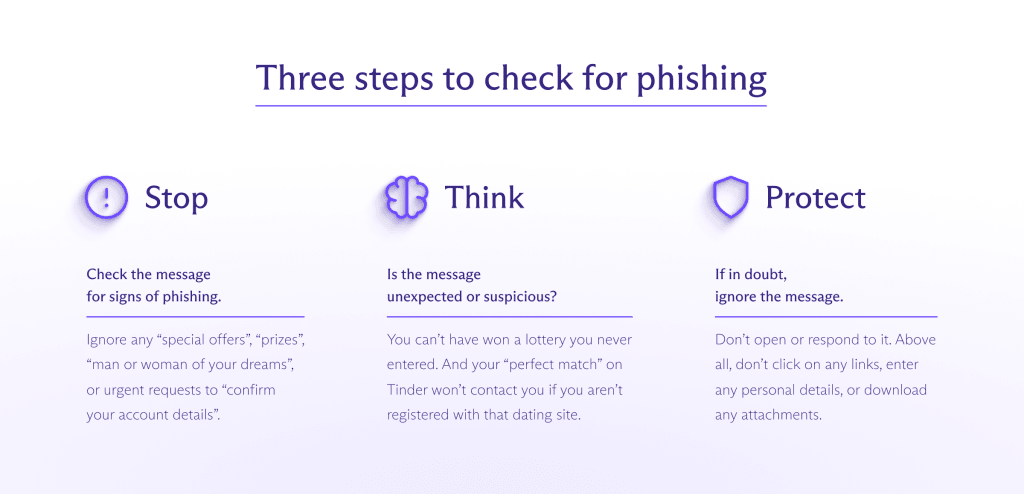
Scammers get your information mainly by accessing resume databases, posting fake job listings on legitimate hiring websites, sending unsolicited recruiter emails, running social media ads, and creating cloned company websites. Once they have even basic details from a resume, they can request more sensitive data like your Social Security number or bank account information during early screening. The best defense is prevention: never share sensitive personal or financial information until you have a verified written job offer from a legitimate employer.
How Scammers Obtain Personal Information From Job Seekers
The Georgia Attorney General notes that criminals acting as recruiters gain access to resume databases. Data breaches at online job sites have allowed thieves to steal entire databases. Once a resume is downloaded, it is out of the job seeker's and the database's control.
Scammers also create fake job postings on legitimate hiring websites or hack legitimate recruiter accounts. They send unsolicited emails pretending to be recruiters or run online ads and social media promotions that direct people to fraudulent opportunities. Equifax reports that these tactics often lead to cloned websites that mimic real companies.
Online job scams aim to trick people into divulging personal information, sending money, or working for free. The American Bankers Association reports that in 2025 the FBI IC3 received 24,688 job scam reports with nearly $363 million in losses.
Common methods include:
- Accessing publicly posted resumes
- Exploiting data breaches on job boards
- Using fake recruiter emails and cloned sites
- Posting fraudulent job listings that appear on major platforms
Once scammers have initial contact information, they quickly escalate requests for more sensitive data.
What Information Should Never Go on a Resume or Be Shared Early
The Georgia Attorney General and Equifax both advise against including or sharing certain details during the application or interview stage. Legitimate employers do not ask for this information until after a formal written offer and verification process.
Never include or provide early:
- Social Security number (SSN)
- Date of birth
- Driver's license number
- Bank account numbers
- Credit card numbers
- Home address
Scammers often request SSN, bank account numbers, driver's license details, or ask to scan an ID during early stages. Once obtained, this information can be used to open accounts in the victim's name or access existing financial accounts. The Georgia Attorney General states that prevention of identity theft is the best defense because once personal information is online, it is very difficult to recover from the financial damage.
Using disposable contact information, such as a separate email address created only for job applications, can limit exposure if that address becomes compromised.
Common Red Flags That Indicate a Job Scam
Several documented behaviors signal a likely scam. The Georgia Attorney General, Equifax, and the American Bankers Association all list the same core warning signs.
Key red flags include:
- Requests to pay upfront fees to start working
- Instructions to deposit and transfer checks (a common fake check scam)
- Requests to reship packages
- Pressure to provide personal or financial data before a verified in-person interview and written offer
- Vague job descriptions or pressure to act quickly
- Offers that sound too good to be true without proper screening
Legitimate employers and recruiters do not ask for SSN, bank details, or payment during the application or interview stage. Any request for this information early in the process should be treated as a warning.
Practical Steps to Protect Your Information
The sources emphasize verification and caution at every step.
- Verify the employer independently using official contact information found on the company's real website, not information supplied in the offer
- Never pay to work or send money to an employer
- Do not share sensitive data until after receiving a legitimate written offer
- Use a disposable email address for job applications
- Check any recruiter or company against official sources before responding
- Report suspicious contacts to the platform where the job was posted and to the FTC or your state attorney general
For more on judging work-from-home and online opportunities, read how to evaluate an online program.
If a recruiter contacts you through a job board, confirm their identity directly with the company they claim to represent. Never click links in unsolicited emails that ask for personal information.
FAQ
How do scammers use resumes to steal personal information?
Scammers access resume databases through data breaches or by downloading publicly posted resumes. The Georgia Attorney General explains that once a resume is downloaded, it is out of the job seeker's control. Criminals then use the contact details to pose as recruiters and request more sensitive information such as Social Security numbers or bank details. This can lead to identity theft, including opening accounts in the victim's name.
What should I do if a recruiter asks for my Social Security number before an offer?
Do not provide it. Legitimate employers do not request a Social Security number during the application or interview stage, according to the Georgia Attorney General, Equifax, and the American Bankers Association. Treat the request as a red flag, end contact, and report the incident to the job board and relevant authorities. Only share your SSN after receiving a verified written job offer from a confirmed employer.
Are legitimate employers allowed to ask for bank details during the application process?
No. Legitimate employers and recruiters do not ask for bank account numbers or other financial details before a written offer and proper verification. The sources are consistent on this point. Any early request for this information is a documented warning sign of a job scam designed to obtain data for fraud or identity theft.
How common are job scams involving personal information theft?
The American Bankers Association reports that in 2025 the FBI IC3 received 24,688 job scam reports with nearly $363 million in losses. These scams frequently involve requests for personal and financial data through fake postings, recruiter emails, and cloned websites. The true number of incidents is likely higher because not all victims report.
What is the most effective way to protect my information from job scammers?
Prevention is the best defense. The Georgia Attorney General states that once personal information is online, recovering from the damage is very difficult. Never include sensitive data on resumes, use disposable contact information, verify every opportunity independently, and refuse any request for SSN, bank details, or payment before a legitimate written offer.