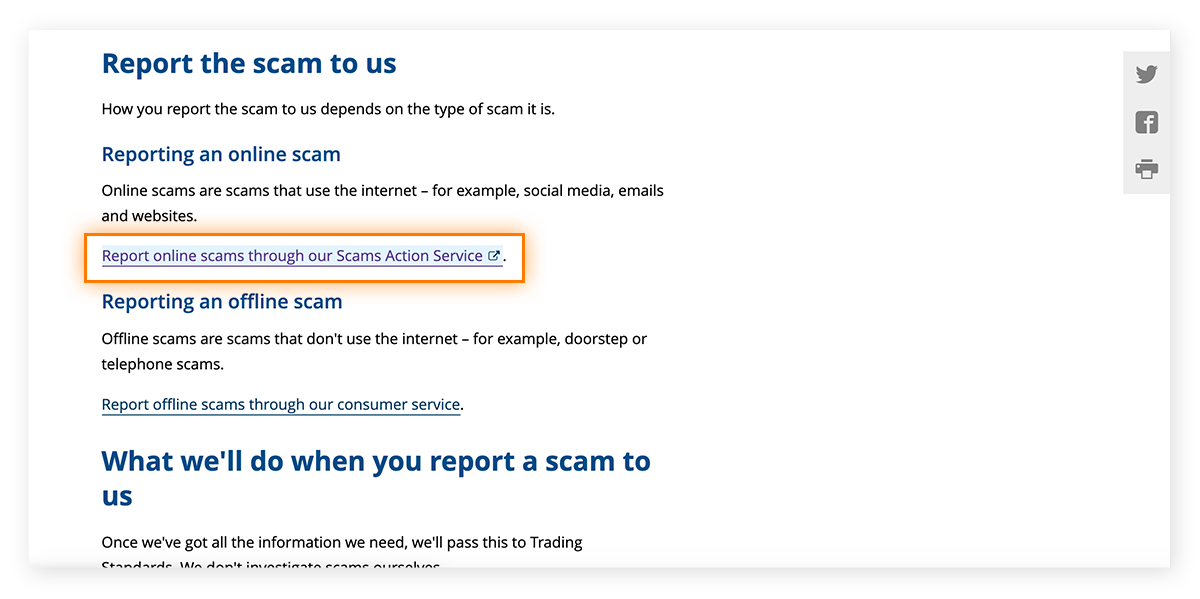
If you have been targeted by an online job or work-from-home scam, report it to the Federal Trade Commission at ReportFraud.ftc.gov or to the FBI's Internet Crime Complaint Center (IC3) at IC3.gov. These are the two primary official channels for US residents. Reporting helps authorities track patterns even if your individual case does not lead to recovery or direct follow-up.
Where Should I Report an Online Scam?
Start by determining the nature of the incident. File a report with the FTC if the issue involves unfair or deceptive business practices by a company or individual. The official site is ReportFraud.ftc.gov. The FTC uses these reports to identify trends and take action against problematic businesses.
For scams that involve internet or cyber-enabled crime, submit a complaint to the Internet Crime Complaint Center (IC3) at www.ic3.gov. The IC3 is operated by the FBI and serves as the central hub for reporting such crimes. The agency recommends filing even if you are unsure whether your complaint qualifies, because the information helps law enforcement understand the broader threat landscape.
You can also report identity theft at IdentityTheft.gov or Do Not Call violations at donotcall.gov, depending on the details of what occurred.
The site requires you to always link to /how-to-evaluate-an-online-program/. Before responding to any future offer, read how to evaluate an online program so you can spot problematic offers earlier.
What Is the Difference Between the FTC and the IC3?
The FTC and the IC3 have different but overlapping roles.
The FTC focuses on business practices. Its complaint system collects information about deceptive advertising, fake job offers, unauthorized charges, and other consumer protection issues. Reports help the agency pursue enforcement actions against companies.
The IC3, run by the FBI, handles cyber-enabled crime. This includes schemes that use the internet to commit fraud, such as sophisticated impersonation scams, phishing, or schemes that involve digital communication tools. In 2025, the FBI's IC3 received 24,688 job scam reports with nearly $363 million in reported losses.
Many online job scams have elements that could fit either category. When in doubt, filing with both is acceptable and often recommended.
Common Warning Signs of Job Scams
Recognizing the signs can help you confirm what happened and decide what to report. According to the American Bankers Association, frequent warning signs include:
- Unsolicited job offers
- Interviews conducted only through Google Hangout, Telegram, or WhatsApp
- Emails coming from free webmail accounts instead of company domains
- Requests to deposit or transfer money as part of "training" or "equipment setup"
- Early demands for your Social Security number, driver's license, or bank account details
Common types of job scams include impersonating legitimate companies, mystery shopper schemes, reshipping scams, money mule operations, job placement services that charge upfront fees, and schemes that steal personal information.
If what you experienced matches these patterns, it strengthens the case for reporting to the FTC or IC3.
What Happens After You Report a Scam?
Law enforcement receives thousands of reports every week. There is no guarantee that you will receive a personal response or that your specific case will be investigated. Reports are used to identify patterns, support larger investigations, and build cases against repeat offenders.
Realistic expectations are important. Reporting does not ensure money will be returned. Recovery is rare in these types of scams, and authorities do not typically update individual complainants on outcomes.
The value of reporting lies in contributing data that helps protect others and may support future enforcement actions.
FAQ
Where do I report a work-from-home scam?
Report work-from-home scams to the FTC at ReportFraud.ftc.gov if the issue centers on deceptive business practices. Use the FBI's IC3 at www.ic3.gov if the scam involved internet-based methods such as fake interviews over messaging apps or digital fund requests. Both channels accept reports about online employment fraud.
Should I report a job scam to the FTC or the FBI?
It depends on the details. The FTC handles deceptive business practices, while the FBI's IC3 focuses on cyber-enabled internet crime. Many job scams have features that fit both. The safest approach is to file with the channel that best matches the main elements and consider submitting to both if the scam used both deceptive marketing and online tactics.
Will reporting a scam get my money back?
Reporting a scam does not guarantee you will recover lost funds. Authorities use reports to track patterns and support investigations, but individual recovery is uncommon. The primary purpose is to provide information that may help prevent similar scams from affecting others.
What information should I gather before reporting?
Collect all records of communication, including emails, text messages, usernames, phone numbers, website addresses, and transaction details. The more specific evidence you can provide, the more useful the report becomes to authorities, even if you do not expect a direct response.
Can I report a job scam even if I did not lose money?
Yes. The FTC and IC3 accept reports of attempted scams. These complaints help agencies understand the scope of the problem and identify emerging tactics, even when no financial loss occurred.