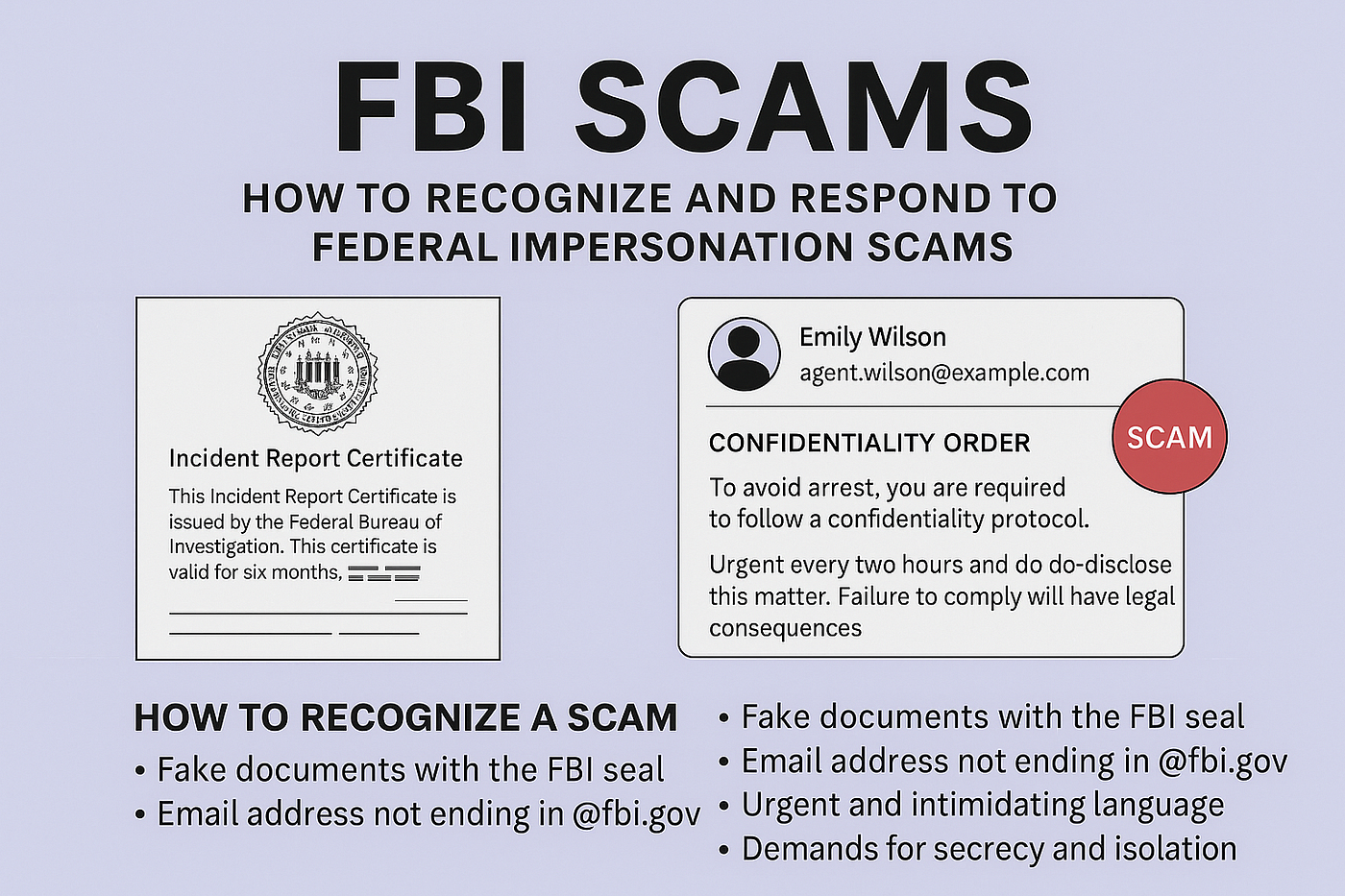
The official way to report a scam to the FBI is through the Internet Crime Complaint Center (IC3) at ic3.gov. File a report even if you are unsure whether your case qualifies. The IC3 will not contact you directly, will never ask for money, and does not guarantee a response or recovery of funds.
What Is the IC3?
The Internet Crime Complaint Center (IC3) is the central hub for reporting cyber-enabled crime and is run by the FBI. It collects complaints about online fraud and scams, including many work-from-home and task-based schemes that fall under cyber-enabled fraud.
According to the IC3, anyone who believes they have been the victim of an internet-enabled crime should file a complaint. The center forwards information to appropriate law enforcement and partner agencies. The IC3 itself does not conduct individual investigations.
How to File a Report With the IC3
You file a report online through the official IC3 complaint form. The process begins at https://complaint.ic3.gov/.
Before starting, gather all available evidence and details about the incident. The IC3 recommends keeping evidence such as email copies (with full headers), web page copies, chat transcripts, mail receipts, and transaction logs in a safe location.
If you are in immediate danger, call 911 or your local police before or instead of filing with the IC3. Crimes against children should be reported to the National Center for Missing and Exploited Children, and threats of terrorism should go to tips.fbi.gov.
What Information Will You Need?
The IC3 asks for specific details to help law enforcement. Required or requested information includes:
- Your name, address, telephone number, and email address
- Account information related to the transaction
- Transaction date and amount
- Information about who received the money
- Total loss amount
- Suspect's name, address, telephone number, email address, website, and IP address if available
- Specific details of what happened
For cryptocurrency transactions, the IC3 Cryptocurrency page provides additional guidance on important information to include.
The more complete the information, the more useful the report is to law enforcement. You do not need to be certain the incident qualifies as a federal crime before filing.
What Happens After You File a Report?
After submission, an analyst reviews the complaint. If appropriate, the IC3 forwards it to law enforcement or partner agencies.
The IC3 cannot respond to every complaint because of the volume received. In most cases, you will not hear back. The site states that you will not receive individual investigation status updates.
Save or print your complaint confirmation number immediately after filing. This is the only copy you will receive.
Important Warnings About IC3 Impersonation
The IC3 does not work with any non-law enforcement entity to recuperate lost funds or investigate cases. The IC3 will never directly contact you for additional information or to request money.
If someone approaches you claiming to be from the IC3 and asks for payment or personal details, this is a scam. If you encounter a website impersonating the IC3, file a complaint with the real IC3 and include the suspicious website link.
These warnings come directly from the official IC3 site and should be taken seriously.
How This Fits With Evaluating Online Offers
Many scams begin as attractive work-from-home or online business opportunities. Before sending money or sharing information, it helps to know how to evaluate an online program. Reporting through the IC3 helps authorities track patterns even when individual recovery is unlikely.
For more perspective on common schemes, see I Got Scammed on a Work-from-Home Job Offer: What to Do Next and How to Tell If a Job Offer Is a Scam.
FAQ
Will the FBI or IC3 contact me after I file?
In most cases, no. The IC3 receives a high volume of complaints and cannot respond to every one. You will not receive individual updates on investigation status. Save your confirmation number immediately, as it is the only record provided.
Can reporting to the IC3 help me recover my money?
The IC3 does not investigate individual cases for the purpose of recovering funds, nor does it work with any entity to recuperate losses. Reporting helps law enforcement track patterns and may support broader efforts, but there is no guarantee of financial recovery.
When should I call the police instead of using IC3?
Call 911 or your local police if you are in immediate danger. The IC3 is for cyber-enabled crime complaints that are not emergencies. Crimes against children should be reported to the National Center for Missing and Exploited Children, and terrorism threats go to tips.fbi.gov.
Official sources:
Internet Crime Complaint Center (IC3)
IC3 FAQ
File a Complaint