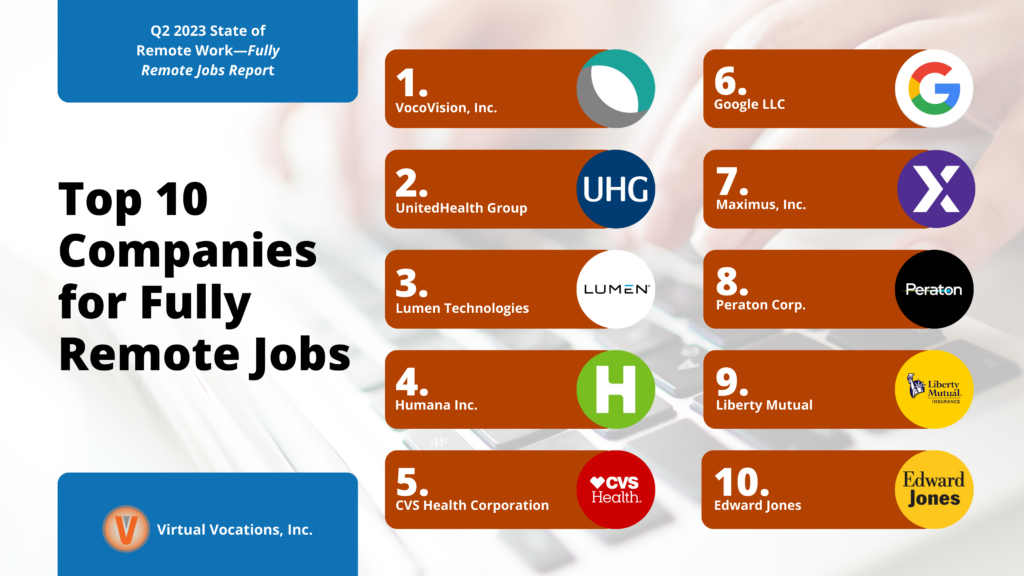
Yes, legitimate fully remote companies exist and hire for work-from-anywhere roles, but employment scams are common. An estimated 14 million people are exposed to job scams each year, resulting in roughly $2 billion in direct losses. Scammers frequently impersonate well-known brands, making verification essential before sharing any personal or financial information.
Do Legitimate Fully Remote Companies Exist?
Fully remote or remote-first companies do operate with public hiring processes that do not require relocation. Industry roundups have repeatedly cited certain established organizations that built their operations around distributed teams. However, the research does not confirm current hiring status for any specific company, and no income, ease, or guarantee can be attached to these roles.
The evidence comes from secondary industry lists rather than primary company statements in the supplied sources. Current remote policies remain unconfirmed here, so readers should treat mentions as historical examples only.
How Remote Job Scams Work
According to a BBB study from 2020, job scams surged during the pandemic as more people searched for remote work. Scammers often create fake interviews on platforms such as Zoom, Skype, or Google Meet where the supposed employer may not show their face. They may then request personal information, bank details, or ask victims to deposit counterfeit checks.
Common patterns include offers to reship stolen goods or demands for upfront fees or equipment purchases. Women accounted for 66.7% of job scam complaints in the BBB data, and 54% of victims were unemployed at the time. Scammers most frequently impersonate Amazon and Walmart.
Amazon states that it posts all legitimate jobs on its official careers site, does not require any purchases or fees from applicants, and actively investigates impersonation. Walmart states that all legitimate opportunities appear on its official site and that only emails from walmart.com, wal-mart.com, or samsclub.com should be trusted.
Warning Signs of Remote Job Scams
Several documented behaviors should raise concern:
- Requests for money, equipment purchases, or gift cards during the application process
- Pressure to act quickly or accept the offer without reviewing official documents
- Interviews where the other party avoids showing video or uses inconsistent details
- Offers received through unsolicited emails, texts, or social media rather than official channels
- Requests to deposit checks and send back part of the funds (a classic counterfeit check scam)
The BBB study identifies these as frequent patterns reported by victims. Any offer that deviates from standard corporate hiring practices warrants extra caution.
How to Verify a Remote Job Offer
The safest approach is to ignore any unsolicited offer and go directly to the company's official careers page. Apply only through that verified site. Never provide banking information, Social Security numbers, or payment details until you have confirmed the employer through its own authenticated channels.
Cross-check the company name, email domain, and job posting against the official website. If something feels off, do not proceed. For broader guidance on judging online earning opportunities, see how to evaluate an online program.
Additional practical steps include reporting suspected scams to the FTC, your state attorney general, or through the BBB. Related reading: How to Report an Online Job or Work-From-Home Scam and Are Recruiters for Remote Jobs Legit? How to Tell Real From Fake.
Companies Often Cited as Remote-Friendly
Certain companies appear consistently in remote-work roundups for their distributed models. The following names come from overlap between the Zapier article and WFH.team coverage:
- Automattic: Known for operating with a fully distributed team and roles such as Happiness Engineer.
- Buffer: Maintains a remote-first culture with transparent practices around remote work.
- Zapier: Functions as a remote company and has been listed for various support and technical positions.
- GitLab: Operates as an all-remote organization with documented remote policies.
Shopify has also appeared on similar lists. These mentions reflect descriptions available in the 2023-2026 industry articles and do not constitute evidence of current openings or suitability for any individual applicant. Readers must check each company's official careers page directly, as remote policies can change.
No company is presented here as a recommendation. The evidence is limited to historical citations in secondary sources, and actual hiring volume remains unconfirmed.
FAQ
Are there real companies that hire remotely?
Yes. Established companies have built fully remote or remote-first operations and maintain official hiring channels. However, scams are widespread, with an estimated 14 million people exposed to employment scams annually according to BBB data. Always verify through the company's own careers website.
How can I tell if a remote job offer is a scam?
Look for requests for upfront fees, equipment purchases, or personal banking information. Watch for fake interviews, counterfeit check schemes, or offers that arrive unsolicited through email or social media. Scammers often impersonate Amazon and Walmart. If the offer did not come through an official company careers page, treat it as suspicious.
Should I apply through third-party job boards?
Third-party boards can be a starting point, but every legitimate opportunity must be verified on the company's official careers site. Never complete the full application or share sensitive data on external platforms alone. Direct application through the verified employer page remains the safest documented practice.
Can remote jobs require an upfront payment?
Legitimate employers do not require applicants to pay for equipment, training, or background checks. Any such request is a documented warning sign according to BBB reports on job scams. Amazon and Walmart have both stated they never require purchases from candidates.
What should I do if I think I've been targeted by a remote job scam?
Do not send money or personal information. Document all communications and report the incident to the FTC, your state attorney general, or through the BBB. Additional guidance is available in our article on how to report an online job or work-from-home scam.