Genuine remote jobs for beginners with no experience exist, but real remote-first companies rarely advertise "no experience required" loudly. Instead, they look for proof of fast learning, clear writing, reliability, and the ability to work independently. Remote job scams are widespread, with FTC reports nearly tripling between 2020 and 2024 and losses rising from $90 million to over $500 million.
This article explains what types of companies actually hire entry-level remote workers, the most common roles, the practical skills that matter more than prior experience, and clear warning signs that separate legitimate opportunities from scams.
Do Real Remote Jobs for Beginners With No Experience Exist?
Yes, real remote jobs for beginners exist. Employers hiring people with zero experience look for evidence that a candidate can learn quickly, communicate clearly in writing, stay reliable, and manage their own time on a laptop.
These positions are more common with certain types of employers than with large, well-known remote-first companies. Many fully remote or distributed companies maintain high standards and prefer some demonstrated background. However, specific categories of businesses regularly bring on entry-level remote workers.
The key distinction is that legitimate employers rarely make the "no experience" part the main selling point. Scams often do.
What Types of Companies Hire Entry-Level Remote Workers?
Several categories of businesses regularly hire beginners for remote roles. These include:
- Offshore and remote staffing companies
- Customer support and BPO providers
- E-commerce brands
- Startups and software companies
- Digital marketing agencies
- Small overseas businesses
- Accounting and bookkeeping firms
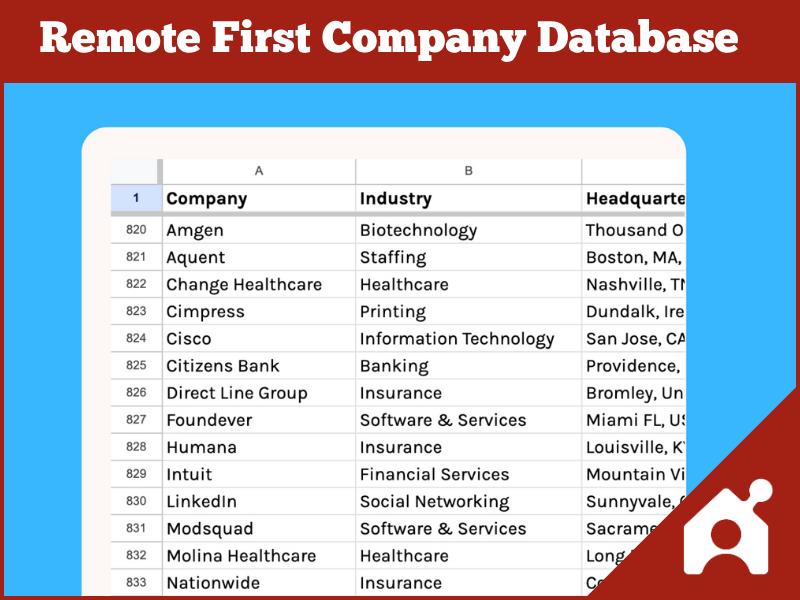
This list comes from observed hiring patterns and is not exhaustive or a guarantee of current openings. Remote-first companies that operate with fully distributed teams, such as Automattic (the company behind WordPress.com and Tumblr), Buffer, Appcues, Arkency, Awesome Motive, and Chili Piper, employ people across many countries and time zones. However, the research does not confirm how many of these organizations routinely hire complete beginners.
What remains unknown is the exact volume of true entry-level hires at the most prominent remote-first companies, as current verified job data was not available.
What Are the Most Common Entry-Level Remote Roles?
The roles that beginners without experience most often land include:
- Virtual assistant (personal, executive, or administrative)
- Customer support (chat, email, or voice)
- Data entry
- Social media assistant
- Content moderation
- Junior sales or development representative
- QA or testing
- Bookkeeping assistant
- Order processing
- Research assistant
None of these roles typically require a specialist degree. Full-time positions generally offer more predictable monthly pay than per-task freelance work, though actual compensation varies by role, client country, shift timing, English proficiency, and tool skills.
What Skills Do Beginners Need Instead of Experience?
Instead of prior work history, employers look for demonstrable skills that show you can contribute immediately and work independently. Key practical skills include:
- Clear written English
- Typing speed and accuracy
- Basic spreadsheets (sorting data, formulas, lookups, pivot tables)
- Self-management and reliability
- Google Workspace or Microsoft Office tools
- Slack, Teams, or Zoom for communication
- Basic understanding of helpdesk or CRM systems
- Canva for simple design tasks
- Responsible use of AI assistants
These skills can be learned and then proven during interviews or through small portfolio tasks. Being able to show rather than simply claim these abilities matters more than years of experience.
How Can You Spot Remote Job Scams?
Remote job scams have grown sharply. The FTC reported that job and employment scam complaints nearly tripled from 2020 to 2024, with financial losses increasing from $90 million to more than $500 million. The BBB logged 23,234 employment scam reports in 2025, roughly double the prior year. Only about 5% of victims report their losses, so the true scale is likely higher.
A common warning sign is being offered a job after only a single chat or email exchange with no real interview, skills test, or screening process. According to FTC guidance, this lack of proper vetting is a major red flag.
Other typical patterns include requests for payment, pressure to act immediately, or offers that sound too good to be true without any verification steps. Legitimate remote-first companies and staffing providers go through structured hiring that includes interviews, references, or trial tasks.
For a structured way to judge any online opportunity before you invest time or money, see how to evaluate an online program.
Additional practical reading on this topic:
- Remote Jobs with No Experience: Roles, Skills & Scams
- Remote Job Scams: How to Spot the 10 Warning Signs
- 50+ fully remote companies that let you work from anywhere
FAQ
Are remote first companies good for people with zero experience?
Some remote-first and distributed companies hire beginners, but most focus on demonstrated skills rather than advertising "no experience" roles. Types of businesses such as customer support providers, e-commerce brands, and remote staffing companies are more likely to bring on entry-level remote workers. Success depends on building clear writing, basic technical skills, and reliability. Genuine employers use interviews and screening; anyone who skips those steps is a warning sign.
What are the main warning signs of remote job scams?
The clearest warning sign is being offered a position after only one quick chat or email with no interview or skills assessment. FTC data shows job scams nearly tripled between 2020 and 2024, with losses rising from $90 million to over $500 million. The BBB recorded 23,234 employment scam reports in 2025. Other red flags include requests for upfront payment or pressure to decide immediately. Legitimate remote hiring involves proper screening.
How much do entry-level remote jobs usually pay?
Pay varies widely by role, location of the client, English skills, tools knowledge, and whether the work is full-time or freelance. No reliable average exists that applies to beginners, and any specific number quoted early should be treated with caution. Full-time roles tend to provide more stable monthly income than per-task work, but results differ significantly between individuals.
Do I need special equipment to start a remote job with no experience?
Most entry-level remote roles require only a reliable laptop, stable internet, and a quiet workspace. Employers sometimes provide or recommend specific software, but beginners are expected to have basic computer proficiency. Claims that a company will send equipment after payment or complicated setup are common scam signals.
Is it possible to get hired by a remote-first company without any prior work history?
It is possible but not guaranteed. Companies look for proof of fast learning, strong written communication, and self-management instead of traditional experience. Building a small portfolio of completed tasks, learning key tools like spreadsheets and collaboration software, and applying through legitimate channels improves chances. Many remote-first companies still maintain selective standards.