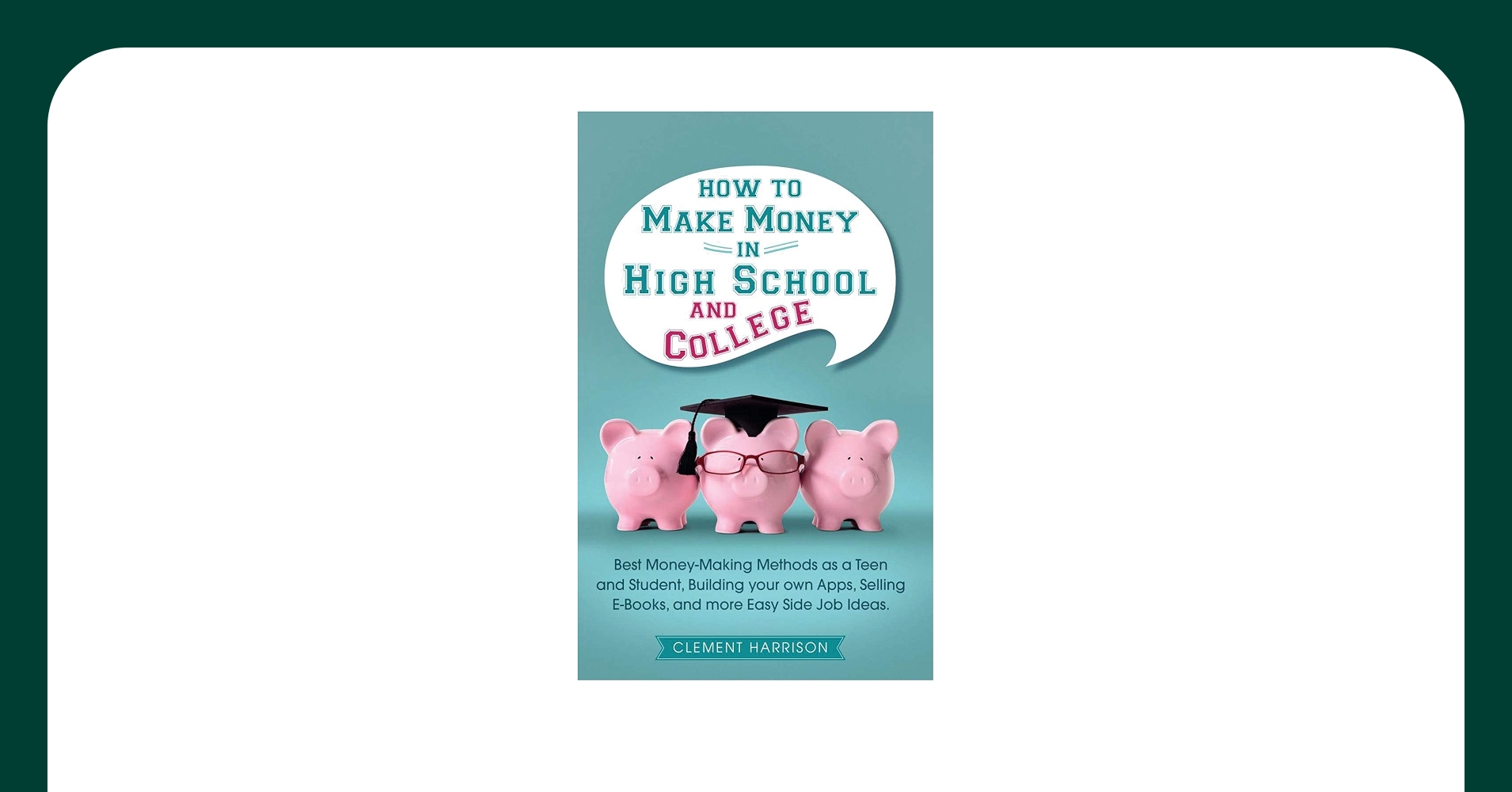
College students have several flexible options for earning money that can fit around classes, but none are guaranteed or easy. Low-barrier choices include online tutoring, selling class notes, taking surveys, and delivery driving for those with a car. Each method demands time, specific skills or resources, and results vary widely with no typical earnings established.
What Low-Barrier Options Exist for College Students
Several side hustles allow students to work from a dorm or between classes. Online tutoring in subjects such as math, chemistry, or foreign languages can be arranged through platforms like Tutor.com or Wyzant. Students who have passed the relevant class, such as freshman calculus, may qualify to tutor at $20-$30 per hour.
Selling class notes on platforms including StudySoup and Stuvia works best for large introductory courses like Psychology, Organic Chemistry, or Statistics. Notes already created for personal use can be uploaded and sold to other students.
Online surveys through apps like Surveoo can be completed in short gaps, such as during lectures or between classes. Completing detailed profiles improves matching and brings more opportunities, including occasional product testing.
Delivery driving for services such as GrubHub, UberEats, or DoorDash offers schedule flexibility for students who own a car. Other options include dog walking, which can be advertised on social media or campus bulletin boards, and selling new or used items like clothing or crafts on eBay, Etsy, Amazon, Facebook Marketplace, Depop, or Poshmark.
Blogging in niches such as cooking, fashion, or fitness may eventually generate revenue through ads, affiliate links, or sponsored content, though it requires consistent effort over a long period. Additional activities include participating in university research studies, sports refereeing, car detailing, and furniture flipping.
What Are the Realistic Requirements and Limitations
Each option carries concrete requirements and clear constraints. Tutoring demands subject knowledge and the ability to explain material clearly. Selling notes requires strong performance in difficult classes and an understanding of intellectual property rights, including trademarks and proper protections.
Dog walking suits pet lovers and provides exercise and stress relief, but depends on local demand and the ability to manage animals. Furniture flipping involves buying used items from thrift stores or garage sales and purchasing supplies such as sandpaper, paint remover, and paint. It requires a ventilated space for storage and work, which may not be feasible in small dorm rooms.
Car detailing starts with basic supplies including cleaning products, microfiber towels, a vacuum, and brushes. Students typically begin by offering services to friends and family. Delivery driving is limited to those with access to a reliable vehicle and the ability to cover gas and maintenance costs.
Sports refereeing usually occurs on nights and weekends. It requires passing a certification exam, staying current on rules, and strong communication and conflict-resolution skills. Blogging demands patience, dedication, and consistency, with monetization taking considerable time and offering no short-term certainty.
Selling digital products such as eBooks, online courses, stock music, or images involves creating the item once and selling it repeatedly, but requires a clear grasp of intellectual property rights. University research studies in areas like psychology, sleep, medical research, or marketing are available through departments and medical schools, though availability varies.
The research notes that evidence on average earnings, success rates, and competition levels for college students remains thin. No independent studies or regulator data establish how many students succeed with these methods.
What Do Student Reports Show About Earnings
One student reported earning $340 in a single semester from selling class notes on the described platforms. The notes came from courses the student had already taken for personal use.
Another student reported earnings from online surveys via Surveoo of $150-$250 in most months, with a high of $600 in one month that included product testing surveys. These figures come from one individual's experience and are explicitly not presented as typical or expected results.
University research studies paid participants amounts that varied: $10 for 30 minutes, $75 per session, or up to $200 or more in some cases. Tutoring rates of $20-$30 per hour were also noted in one student's account. No source provides broader data on what most college students earn, and the research emphasizes that results vary widely with no method guaranteed.
What Should Students Consider Before Starting
Students should weigh the time commitment against class schedules and academic demands. Many options require upfront costs, specific equipment, certifications, or space that may not be available in dorm living. Vehicle ownership, storage space, and certification exams represent real barriers for some.
Intellectual property rules apply when selling notes or digital products, and platform terms may affect what can be offered. Long-term approaches like blogging represent an investment of consistent effort before any revenue appears. All methods carry the limitation that earnings are not assured and depend on individual effort, location, skills, and market demand.
The primary source for most of these descriptions is an article adapted from a bank blog on 18 side hustles for college students. Specific student-reported figures come from a Medium article and must be treated as individual outcomes only.
Before committing significant time or money, students may benefit from reviewing how to evaluate an online program if any paid training or platform is involved. Related options appear in discussions of how to make money without a job and how can I make extra money online from my laptop.
FAQ
How much can college students realistically earn with side hustles?
No reliable average exists across the researched options. One student reported $340 in a semester from selling class notes and $150-$250 per month from surveys in most months, with a high of $600. University studies paid between $10 and $200+ per session in individual cases. All figures represent single experiences and are not typical or guaranteed. Earnings depend on time invested, skills, location, and demand, with many students earning little or nothing.
Is selling class notes a reliable way to make money in college?
Selling class notes on platforms such as StudySoup and Stuvia can generate income for notes from large, difficult introductory classes like Psychology, Organic Chemistry, or Statistics. One student reported $340 in a semester, but no data shows this as common or reliable. Success depends on the quality and demand for the notes, platform rules, and intellectual property considerations. It is not guaranteed and works best as a supplemental activity using materials already created for personal study.
What are the main limitations of college side hustles?
Many options require resources that not every student has. Furniture flipping and car detailing need space and supplies that may not fit in a dorm. Delivery driving requires a car. Sports refereeing demands certification and weekend availability. Blogging takes consistent long-term effort before possible revenue. All methods carry no guarantee of earnings, and evidence on typical results for college students is limited.
Can tutoring fit around a college schedule?
Tutoring in subjects like math or chemistry can often be scheduled flexibly through platforms such as Tutor.com or Wyzant. Students who have already passed the class may charge $20-$30 per hour. It requires strong subject knowledge and teaching ability. Availability depends on student demand and the tutor's own class schedule, with no assurance of consistent clients.
Are online surveys worth the time for college students?
Surveys can be completed in spare minutes between classes using apps like Surveoo. Completing profiles thoroughly and responding to notifications improves opportunities. One user reported $150-$250 in most months, but these results are individual and not typical. Surveys generally pay modest amounts and should be viewed as a low-commitment supplement rather than a primary income source.