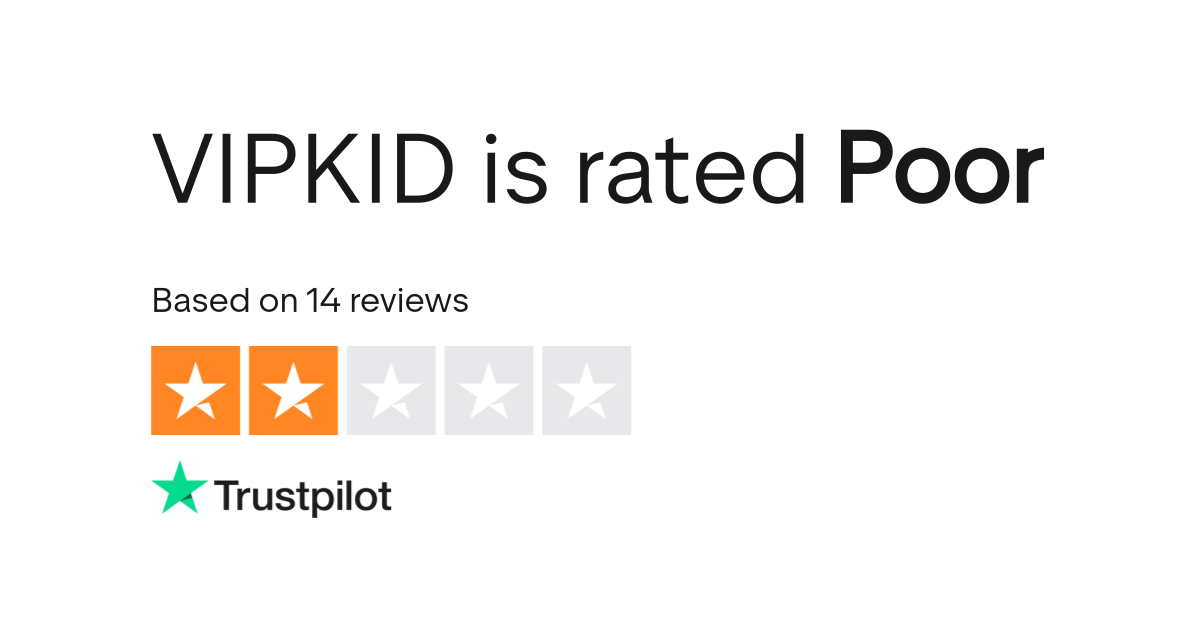
VIPKid is a legitimate company that has operated an online English teaching platform since at least 2016. It connects teachers in North America with children in China for live ESL lessons. However, teachers are classified as independent contractors, pay rates have varied over time, and the company settled a California misclassification lawsuit for $2.1 million without admitting wrongdoing. Current hiring status and full operational details after 2022 regulatory changes in China remain unknown.
What Is VIPKid?
VIPKid is an online teaching service that pairs North American teachers with students, primarily ages 5-12, in China for English as a Second Language (ESL) classes. The model relies on live, one-on-one video lessons rather than pre-recorded content.
The company requires teachers to be located in North America, hold a bachelor's degree or an equivalent in early childhood education, and have prior teaching, tutoring, or coaching experience. These criteria come from application requirements described in older reviews of the platform.
What Are the Application and Training Requirements?
The application process includes several steps. After an initial review, candidates complete an interview that features a mock lesson lasting 10-15 minutes. Those who advance then watch teacher training videos, pass a quiz, and complete one or more practicum lessons before being approved to teach.
These details reflect the process outlined in a 2016-2017 teacher review and should not be assumed to represent the exact current flow. No recent data on application volume, acceptance rates, or current hiring activity is available.
How Much Does VIPKid Pay and What Is the Contract?
Pay information has changed over time and must be read with its source dates in mind.
A 2016-2017 teacher review reported a base rate of $19 per 25-minute class in one case, within a reviewed range of $7-$9 per class ($14-$18 per hour base). The company has since advertised a base pay range of $14-$22 per hour, with total earnings reaching $15.60-$28.40 per hour when incentives are included.
According to VIPKid's official teacher pay page, teachers sign a 6-month contract. They can choose to work as many or as few hours as they wish within that period. Payment is issued weekly, bi-weekly, or monthly by direct deposit to a bank account or via PayPal.
VIPKid classifies its teachers as independent contractors. Teachers must complete a W-9 form and are responsible for paying their own self-employment taxes. This classification was central to the legal action described below.
What Happened in the California Class-Action Lawsuit?
In 2022, VIPKid reached a settlement in a California class-action lawsuit alleging that the company misclassified teachers as independent contractors instead of employees. The claims included failure to pay minimum wage, overtime, and provide required meal and rest periods, among other benefits.
The settlement totaled $2.1 million, with a net payout of approximately $1.44 million after fees. VIPKid did not admit any wrongdoing. The fund is being distributed over four years beginning around December 2022. It covers California teachers who taught at least one class between May 22, 2018, and June 30, 2021. Each class member is guaranteed a minimum of $10, with higher amounts based on the number of classes taught.
The settlement amount was reduced from the original demand due to VIPKid's documented financial hardship following major regulatory changes affecting online education companies in China. No other regulator actions or court findings against the company appear in the available records.
Bottom Line
VIPKid exists as a real business that has hired thousands of teachers under an independent contractor model. The platform offers flexible scheduling and pays on a per-class basis with stated hourly ranges that have been updated since 2017. However, the California settlement shows that its contractor classification carried legal risk for teachers in that state during the covered period.
Several important facts remain unknown: whether VIPKid is actively recruiting new teachers in 2024 or later, how Chinese regulatory changes have affected lesson volume, and what current actual earnings look like after incentives and schedule availability. There is no information on hidden fees or a refund policy because none is documented in the sources.
Readers considering any online teaching platform should review the latest official terms directly, calculate realistic earnings after taxes and preparation time, and weigh the flexibility against the lack of employee benefits. For context on judging similar offers, see how to evaluate an online program.
Those exploring remote work options may also want to read about realistic ways to make money online with no experience, side hustles for teachers, or remote first companies for beginners.
FAQ
Is VIPKid a scam?
No regulator or court has called VIPKid a scam. The company has operated since at least 2016, maintains an official pay page, and settled a California class-action lawsuit without admitting wrongdoing. Like many online teaching platforms, it uses independent contractors and its long-term operational status after 2022 regulatory changes in China is not confirmed in available sources.
How does VIPKid classify its teachers for tax purposes?
VIPKid classifies teachers as independent contractors. Teachers must submit a W-9 form, receive payments without tax withholding, and are responsible for paying their own self-employment taxes. This classification was the core issue in the California misclassification lawsuit that resulted in a $2.1 million settlement.
What was the outcome of the VIPKid teacher misclassification lawsuit?
The company settled the California class-action case for $2.1 million (net ~$1.44 million) without admitting wrongdoing. Payments began around December 2022 and will continue over four years to eligible California teachers who worked between May 22, 2018, and June 30, 2021. The amount was reduced due to the company's financial hardship following regulatory changes in China.