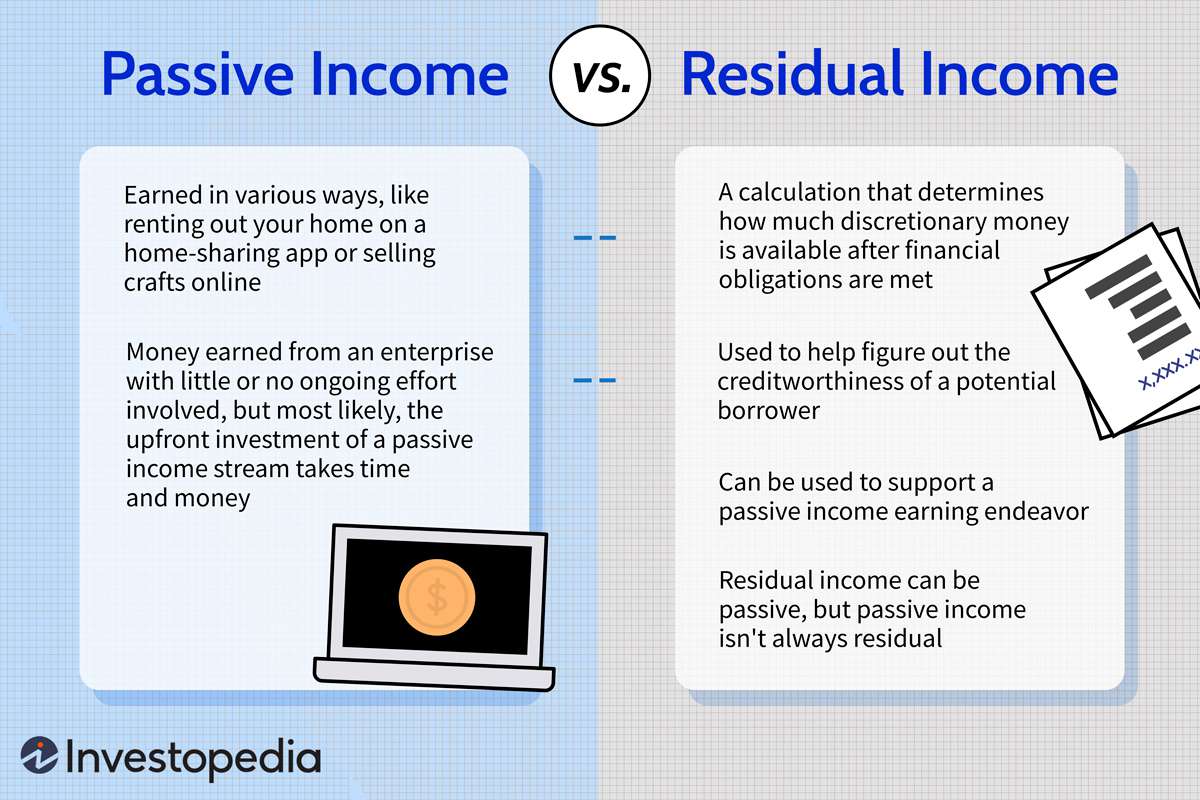
Passive income is real but requires an upfront investment of time, money, or both. It is not money earned with zero ongoing effort. Surveys show that while many Americans have at least one source, the typical amounts are modest and supplemental.
What Is Passive Income?
Passive income refers to money earned with minimal ongoing daily effort, typically from a business in which a person does not materially participate or from certain investments. According to an Entrepreneur.com article citing IRS-aligned definitions, it is explicitly not a "do nothing and get rich" arrangement.
All realistic methods demand either significant initial work to set them up or capital to start. The research consistently states that none operate as pure hands-off income from day one. This distinction matters for readers hoping to replace regular employment without continued input.
How Much Do People Actually Earn From Passive Income?
Data indicates that passive income usually provides helpful but not life-changing amounts. A First National Bank of Omaha report cited by Entrepreneur.com found that 53% of Americans have at least one source of passive income. Among those households, the median annual amount is $4,200, or roughly $350 per month.
The same article notes that 28% of Americans reported at least one passive income stream in 2026, up from 16% five years earlier. It also states that 72% of Americans rely on some form of secondary income. These figures describe supplemental earnings rather than primary livelihood.
The sources emphasize that most streams need either upfront capital or months of work before they generate meaningful returns. No independently verified data in the supplied research shows large-scale, hands-off earnings for ordinary beginners with no prior business experience.
Common Passive Income Examples and What They Require
Several methods appear across the reviewed sources. Each involves clear limitations, ongoing tasks in many cases, and no guarantee of returns.
Clipping videos and creating UGC for brands. This involves repurposing short-form content across platforms or producing user-generated content that can sometimes lead to brand retainers. One source notes that platforms like Whop's Content Rewards track views and pay automatically. However, scaling this still requires initial content creation and strategy. The research presents this as active work that may become partly automated but is not zero-effort.
Dividend stocks and index funds. These are frequently listed as classic examples. One source states that dividend stocks or funds tracking the S&P 500 have averaged roughly 10% annual return over 50 years. As a concrete illustration, €10,000 invested at a 2% yield would produce around €200 per year before any compounding. Returns are not guaranteed, and the investment carries risk of loss. The research explicitly states this is not financial advice.
Renting out assets or properties. Options include renting rooms via platforms such as Airbnb, parking spaces, storage, gear, or vehicles. These can generate income but typically involve messaging guests, coordinating handovers, cleaning, and maintenance. Sources describe them as only partly passive. Readers must check local rules, insurance requirements, and potential regulations before participating.
High-interest savings or money market accounts. These pay interest that can compound over time. One example given is €3,000 earning 3.5% producing roughly €105 per year. Interest rates can change, and inflation may reduce the real value of returns. This method requires existing capital and offers relatively low yields compared with the effort needed for other approaches.
Digital products, online courses, and paid communities. These appear in the sources as potential streams once created. However, they demand substantial upfront work to develop, market, and maintain. The research does not provide verified earnings data for beginners and stresses that meaningful income typically takes months or longer.
None of the supplied sources present any method as zero-cost or zero-effort after launch. All require either capital at risk or significant initial labor.
For readers evaluating specific offers that promise passive income, the article How to Evaluate an Online Program explains key warning signs and questions to ask before spending money.
Bottom Line for Beginners
For adults with no business experience who are hopeful but wary, the evidence shows passive income is usually supplemental rather than a replacement for regular work. The median figures are modest, and every method listed carries requirements that many beginners underestimate.
The sources agree that building any of these streams takes time, money, or both. Readers should treat claims of fully hands-off income with skepticism. Before committing resources, compare the documented costs, realistic timelines, and risks against the modest median returns reported in surveys. When evidence for large earnings is thin or promotional, it is reasonable to conclude the approach may not suit those seeking quick or guaranteed results.
FAQ
Is passive income really money while you sleep?
No. The Entrepreneur.com article citing IRS-aligned definitions states that passive income requires upfront investment of time, capital, or both. It is not money earned with zero ongoing effort. Surveys show most people who have these streams earn supplemental amounts, and all methods in the research involve initial work or risk.
Can beginners build passive income with no money or experience?
The supplied research indicates it is difficult. Most streams need either capital to invest or months of work to create assets or systems. Median annual earnings among those who have passive income are $4,200 according to a cited bank report. Beginners should expect significant upfront effort and no guarantee of returns.
How much passive income does the average person make?
One report found that among households with at least one passive income source, the median is $4,200 per year. This figure is presented as helpful but not life-changing. The research does not describe these amounts as typical or guaranteed for new participants.
Are dividend stocks or rental properties truly passive?
Sources describe both as only partly passive. Dividend investing requires capital and carries risk of loss, while rentals often involve ongoing tasks such as cleaning, guest communication, and maintenance. Returns are never guaranteed and depend on many variables.
Should I pay for a course or program teaching passive income?
The site's standard is to evaluate such offers carefully before paying. Most methods in the research do not require paid training, and many promotional programs overstate how hands-off the work will be. Readers can learn basic concepts from free public sources and should review refund terms and documented complaints before purchasing any program.