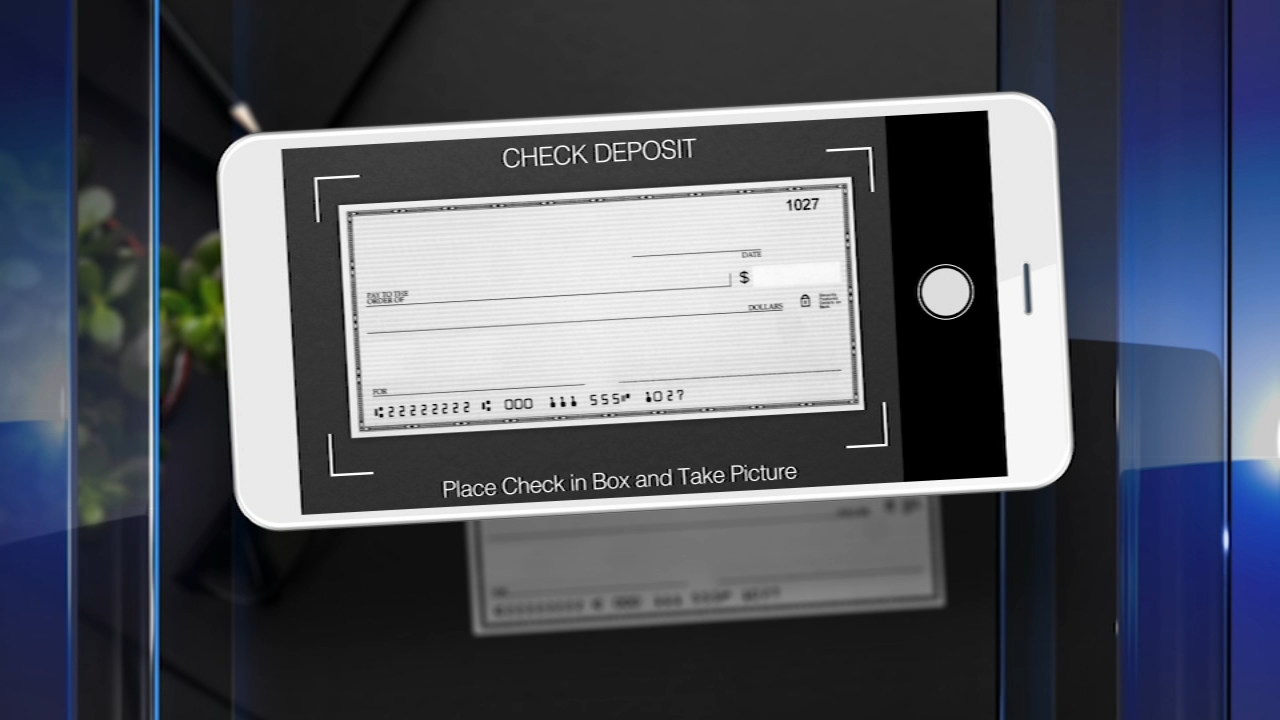
No, a mobile deposit fake check offer is not legitimate. These schemes involve scammers sending counterfeit checks and asking victims to deposit them via a mobile banking app and then send most of the money back. Victims end up liable for the full amount once the check bounces, even if the bank initially made funds available.
What Is a Mobile Deposit Fake Check Scam?
A mobile deposit fake check scam occurs when criminals send victims a counterfeit check and instruct them to deposit it using their bank's mobile app. The victim is then told to wire, send via gift cards, or transfer the majority of the funds back to the scammer or a supposed third party.
The check may look real at first glance. Banks often make some or all of the funds available quickly due to federal regulations. However, when the check is later discovered to be fake, the bank reverses the deposit and holds the account holder responsible for the withdrawn amount.
This type of fraud appears in several common scenarios, including fake overpayment for items sold online, phony employment offers, and fraudulent loan approvals.
How Does the Mobile Deposit Check Scam Work?
Scammers use three main versions of the scheme.
In overpayment scams, a buyer offers to pay more than the asking price for an item listed for sale and asks the seller to send the difference back. In employment scams, a supposed employer sends a check for "training expenses," "equipment," or "background checks" and asks the new hire to forward most of the money. In loan scams, fake lending sites claim to approve a loan but require the borrower to deposit a check and send back part of it first.
In each case, the scammer creates urgency and pressures the victim to act before the bank can fully verify the check. The victim deposits the check using the mobile app, the funds appear available, and the victim sends money to the scammer. Days or weeks later, the bank notifies the account holder that the check was counterfeit. The victim owes the bank the withdrawn amount and may face account closure.
Emailed checks, sometimes called "e-checks" or images of checks, are never legitimate for mobile deposit. Banks require original paper checks or properly authorized electronic transfers. Depositing an emailed check image is considered check fraud and can lead to account closure and financial liability.
Why Banks Make Funds Available Before Verification
Federal law requires banks to make deposited funds available within a set number of business days. This rule exists to protect consumers, but it also creates a window that scammers exploit.
The initial "available" status does not mean the check has cleared or is genuine. The bank may later discover the check is counterfeit during the verification process, which can take weeks. At that point, the bank removes the funds from the account. If the victim has already sent the money elsewhere, they remain liable for the loss.
This gap between availability and final verification is one of the reasons these scams succeed so often.
Red Flags of a Mobile Deposit Fake Check
Several warning signs can help identify a fake check before any money changes hands. According to bank and regulatory guidance, watch for:
- Receiving an unexpected check from someone you do not know
- Requests to send money back via wire transfer, gift cards, or cashier's check
- Computer-generated checks where only the payee name is handwritten
- Inconsistent or unusually large amounts
- Missing or mismatched endorsement
- Blurry or poor-quality check images
- The payee name on the check does not match the name on the bank account
Pressure to act quickly or claims that the check is "guaranteed" are also major red flags. If something feels off, it usually is.
What to Do If You Receive an Unexpected Check
Treat any unexpected check from an online contact or stranger as suspicious. Do not deposit it.
Contact the supposed issuer directly using verified contact information you find independently, not from the documents they sent. Never send money back or share banking login details.
If you have already deposited the check, contact your bank immediately. The sooner you report it, the better the chance of limiting damage, though recovery is not guaranteed.
For more on judging work-from-home offers that involve checks or payments, see how to evaluate an online program. Related articles include Check Scam: How Fake Checks Work and How to Avoid Them and How to Tell If a Job Offer Is a Scam (2025 Guide).
FAQ
Are emailed checks safe to mobile deposit?
No. Emailed checks, sometimes called e-checks or images of checks, are never legitimate for mobile deposit. Banks require original paper checks or authorized electronic transfers. Depositing an emailed check image is considered check fraud and can result in account closure and full financial liability for any funds withdrawn.
What happens if I deposit a fake check and send the money?
You will be held responsible for the full amount. Even if the bank shows the deposit as cleared and makes funds available, the check can still bounce weeks later. Once the bank reverses the deposit, you owe the bank any money already sent to the scammer. Recovery is rare, and the account may be closed.
How can I verify whether a check is real?
Contact the bank or company that supposedly issued the check using contact information you locate independently. Do not use any phone numbers or email addresses provided with the check. Never deposit the check first. If the offer involves sending money back, treat it as a scam regardless of how real the check appears.
Bottom line: Do not deposit unexpected checks received from strangers or online contacts. Mobile deposit fake check offers are not legitimate, and victims remain liable for any losses.