Freelance affiliate marketing is technically possible to begin at no upfront cost by joining free networks and posting on social media. In practice, building sustainable results as a complete beginner with no audience, website, or experience requires significant time, consistent content creation, and often some paid tools or infrastructure. Income is not guaranteed and many beginners report minimal or no earnings in the early months.
What Is Freelance Affiliate Marketing?
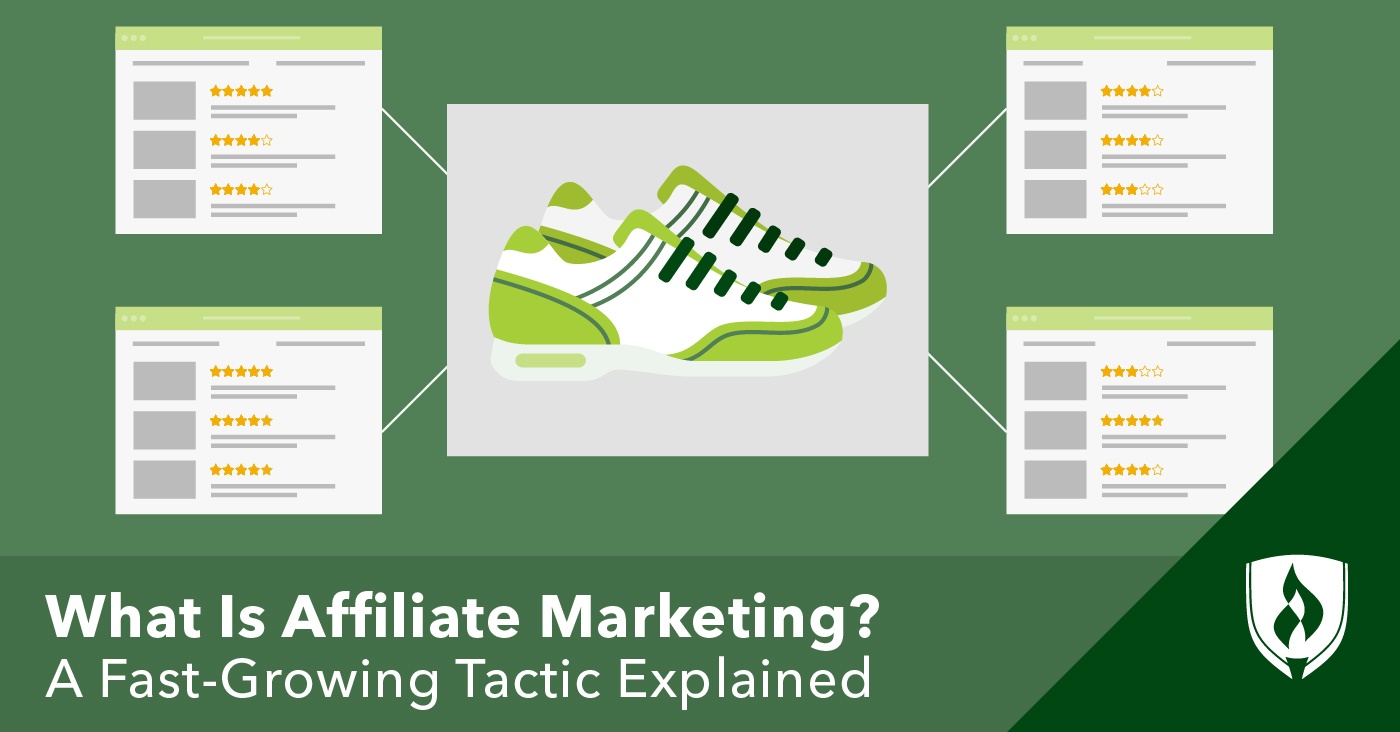
Freelance affiliate marketing involves promoting other companies' products or services through unique tracking links and earning a commission on resulting sales or leads. Unlike working for one merchant, freelancers typically join multiple affiliate programs or networks and choose what to promote.
Common platforms include Amazon Associates, ClickBank, and ShareASale. Most of these networks and programs are free to join, with no membership fees required. Beginners can create content on free platforms such as Facebook, Instagram, TikTok, or YouTube to share their links. Over time, many move toward building their own website to own their traffic and content.
The model depends entirely on generating traffic that converts into sales. Without visitors, no commissions are earned.
What Are the Real Startup Costs?
Affiliate programs and networks themselves are free to join, making it technically possible to start with zero dollars. However, building a viable channel usually involves additional costs.
A professional website requires domain registration, typically $10-20 per year, and web hosting at $3-10 per month. Email marketing software ranges from free basic plans to $50 or more per month for advanced features. Paid advertising, if used, can cost anywhere from $5 to $5,000 or more per day depending on the platform and scale.
Content creation tools, keyword research software, or outsourcing writing work may become necessary. Training programs and courses marketed to affiliate marketers range from modest investments to expensive mentorship packages.
Sources note that while the core affiliate networks charge nothing to join, the supporting infrastructure and tools often add up. The exact spending depends on the chosen strategy and how quickly a beginner wants to scale.
For a clear breakdown of these expenses, see the affiliate marketing costs guide.
How Much Time and Traffic Are Required?
Traffic is the central requirement. Without an audience, there are no sales regardless of how many programs one joins.
One documented case described building a blog to approximately 3,000 visitors per day - mostly from Google - before reaching substantial income. This took full-time effort over many months, with minimal earnings in the beginning. The example highlighted the need to choose a niche with high demand and relatively low supply, create consistent content, and build assets over a long period.
Beginners must produce regular content, whether articles, videos, or social media posts. SEO, YouTube growth, and social media strategies all require ongoing work and learning. Blogging and YouTube each have different trade-offs in competition, ownership of content, time to see traffic, and ease of updates.
The research shows that patience is essential. Initial periods frequently produce little or no income while traffic builds. There are no independent statistics on how many beginners eventually earn money or how long it typically takes, so these outcomes remain unconfirmed at scale.
Is It a Realistic Option for Complete Beginners?
Freelance affiliate marketing is a legitimate business model when done transparently, but it is not a quick or easy path for people with no audience, website, or experience. The "low-cost or free" claims are technically accurate for joining programs but often downplay the real requirements: months or years of consistent effort, skill development in content creation and traffic generation, and tolerance for early results that may be close to zero.
Warning signs of hype include promises of fast or passive income that contradict the documented timelines in case examples. Beginners should treat income claims skeptically, as no regulator or court data establishes typical success rates for newcomers.
Before committing time or money to any training or program, read how to evaluate an online program. Understanding refund terms, realistic requirements, and documented outcomes helps separate promotional claims from practical information.
Safer starting points for many people include exploring best gig work apps or second jobs from home that provide clearer hourly compensation while skills are built. Freelance affiliate marketing may become more realistic after gaining experience with content creation and digital marketing through lower-risk activities.
The bottom line is that freelance affiliate marketing can work for some people who treat it as a long-term skill-building project. For most complete beginners seeking reliable extra income, the combination of uncertain returns, high time investment, and need for self-directed learning makes it a challenging choice.
FAQ
Can you start affiliate marketing with no money?
Yes, it is technically possible to begin without spending money by joining free networks such as Amazon Associates, ClickBank, or ShareASale and creating content on free social media platforms. However, building enough traffic for meaningful commissions usually requires time, learning, and often some paid tools or hosting over the long term. The "free" label applies to joining programs but not necessarily to creating a sustainable channel.
How long does it take to earn from affiliate marketing as a beginner?
There is no confirmed timeline that applies to most beginners. One case example reached significant income only after many months of full-time blogging, starting with minimal earnings and growing to around 3,000 daily visitors. Most sources emphasize that patience and consistent content creation are required, and early months frequently produce little or no income. Independent data on average time to first commission for beginners does not exist in the available evidence.
What are the main costs of affiliate marketing?
The main potential costs include web hosting and domain ($3-10 monthly plus $10-20 yearly), email software (free to $50+ per month), paid advertising (highly variable), content tools, keyword research software, and optional training courses. The affiliate networks and programs themselves are free to join. Costs depend on the strategy chosen and how much is outsourced or accelerated with paid methods.
Is freelance affiliate marketing a scam?
Freelance affiliate marketing itself is a legitimate commission-based sales model and is not a scam when operated transparently. However, many courses and programs promoting it use exaggerated income claims that are not supported by evidence. The activity requires real work and does not match the "easy" or "fast" descriptions common in marketing materials. Always check terms and realistic requirements before investing time or money.
Should beginners start with a website or social media?
Both approaches are used. Starting on social media (YouTube, TikTok, Instagram) allows zero-cost testing and faster feedback, while a website provides long-term ownership and better SEO potential. Many beginners begin on free platforms and later add a site once they understand what content performs. The choice depends on existing skills and how much time can be dedicated to learning each channel.