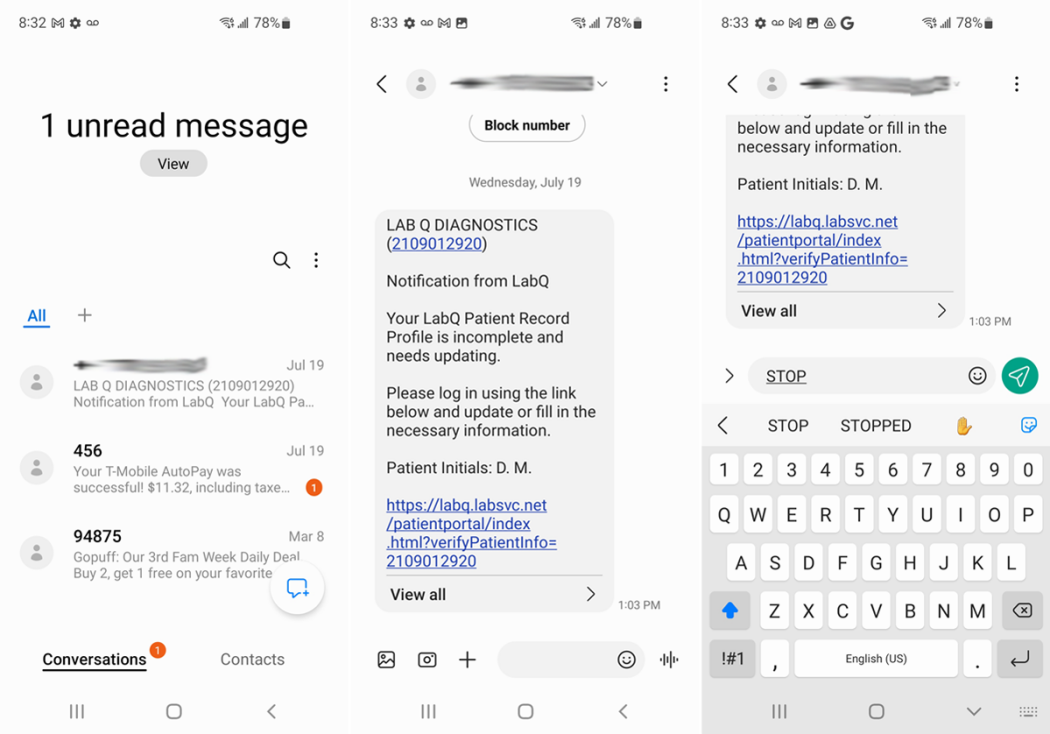
Responding to a spam text confirms to scammers that your number is active and belongs to a real person. This can result in your number being added to lists sold to other fraudsters, leading to increased spam, phishing attempts, and more sophisticated scams. The safest action is to ignore the message, delete it, and report it without replying.
Why Responding to Spam Texts Is Risky
Any reply to a text from an unknown sender, even something as simple as "STOP," tells the sender that the phone number is valid. According to security guidance aligned with regulators, this confirmation makes the number more valuable. Scammers can then sell it or use it for further targeting.
The risks include receiving more spam messages and becoming a higher-priority target for phishing attacks. These attacks, known as smishing (SMS phishing), often contain links that can install malware, attempt to steal personal information such as passwords or Social Insurance Numbers, or direct users toward fraudulent schemes. While replying does not guarantee any specific harm, it increases the chances of further unwanted contact.
The Federal Trade Commission (FTC) received 334,524 complaints about frauds originating in scam texts in 2020, with reported losses reaching $86 million that year. These figures come from FTC data and highlight the scale of the problem.
How the "Hi, How Are You?" Scam Works
Scammers often begin with friendly, low-pressure messages such as "Hi, how are you?" or "Hey, it's been a while." The goal is to start a conversation and build a false sense of trust. Many people reply out of politeness, which is exactly what the scammers count on.
Once a conversation starts, the messages typically shift toward promoting cryptocurrency investments or other supposed opportunities. This tactic appears in FTC consumer alerts, which note that responding is not required for politeness. The initial message is simply an entry point designed to confirm active numbers and engage potential targets.
What Happens When You Reply
When you reply to a spam text, the primary outcome is that your number is marked as "live." Scammers and data brokers then add it to shared lists. This can lead to:
- A sharp increase in spam texts from new senders
- More sophisticated phishing attempts
- Greater risk of receiving links that attempt to collect personal data
- Potential follow-up calls or emails using the confirmed contact information
The FTC and mobile carriers warn that even a short reply gives scammers the signal they need. There is no evidence in the available data that a single reply directly causes identity theft or financial loss in every case, but it does raise the volume of targeting a person receives.
What to Do Instead of Replying
The recommended steps are clear and consistent across official guidance:
- Do not reply to the message at all
- Delete the text immediately
- Report the spam by forwarding it to 7726 (the standard short code used by U.S. mobile providers)
- Use your phone's built-in "Report Junk" feature if available
Forwarding to 7726 helps carriers identify and block the sender for other users. The FTC's consumer advice specifically states that it is not rude to ignore "Hi, how are you?" messages from strangers. This approach reduces the value of your number to scammers and helps limit the spread of these campaigns.
For those evaluating related online opportunities that sometimes appear in these messages, reviewing how to evaluate an online program can provide a structured way to assess whether any offer is legitimate before engaging.
Additional practical steps include blocking the sender's number and avoiding clicking any links contained in suspicious texts. These actions limit both immediate risk and future contact.
FAQ
Is it dangerous to reply to a spam text?
Replying to a spam text is risky because it confirms your number is active. This can lead to your number being sold to other scammers and result in more spam, phishing attempts, and smishing attacks. While it does not guarantee harm, the FTC and mobile carriers advise against any response. The safest choice is to ignore and report instead.
Should I text "STOP" to spam messages?
No. Texting "STOP" still counts as a reply and confirms that your number is valid. Sources aligned with FTC guidance state that any response, including opt-out requests, can increase targeting. Delete the message and forward it to 7726 instead.
How do I report spam texts?
Forward the suspicious message to 7726. This short code is used by major U.S. carriers to identify and block spammers. You can also use your phone's "Report Junk" option. The FTC encourages reporting to help reduce these scams for everyone. For more context on similar tactics, see the FTC alert: Why it's not rude to ignore "Hi, how are you?" text messages from strangers.
Can replying to a spam text lead to identity theft?
Replying does not automatically cause identity theft, but it marks your number as active and can lead to more aggressive phishing. Smishing messages may later try to collect personal information or direct you to malicious links. The documented risk is increased exposure rather than immediate theft.
What should I do if I already replied to a spam text?
If you have already replied, monitor your accounts for unusual activity and avoid clicking any links sent afterward. Continue to ignore and report new messages. Responding once does not mean you must keep replying. Focus on the recommended actions: delete, block, and report to 7726.